Topic of the Week
Chinese Export Porcelain: the Blue-and-White Trade
Why the six-character reign mark is the most abused marker in the field
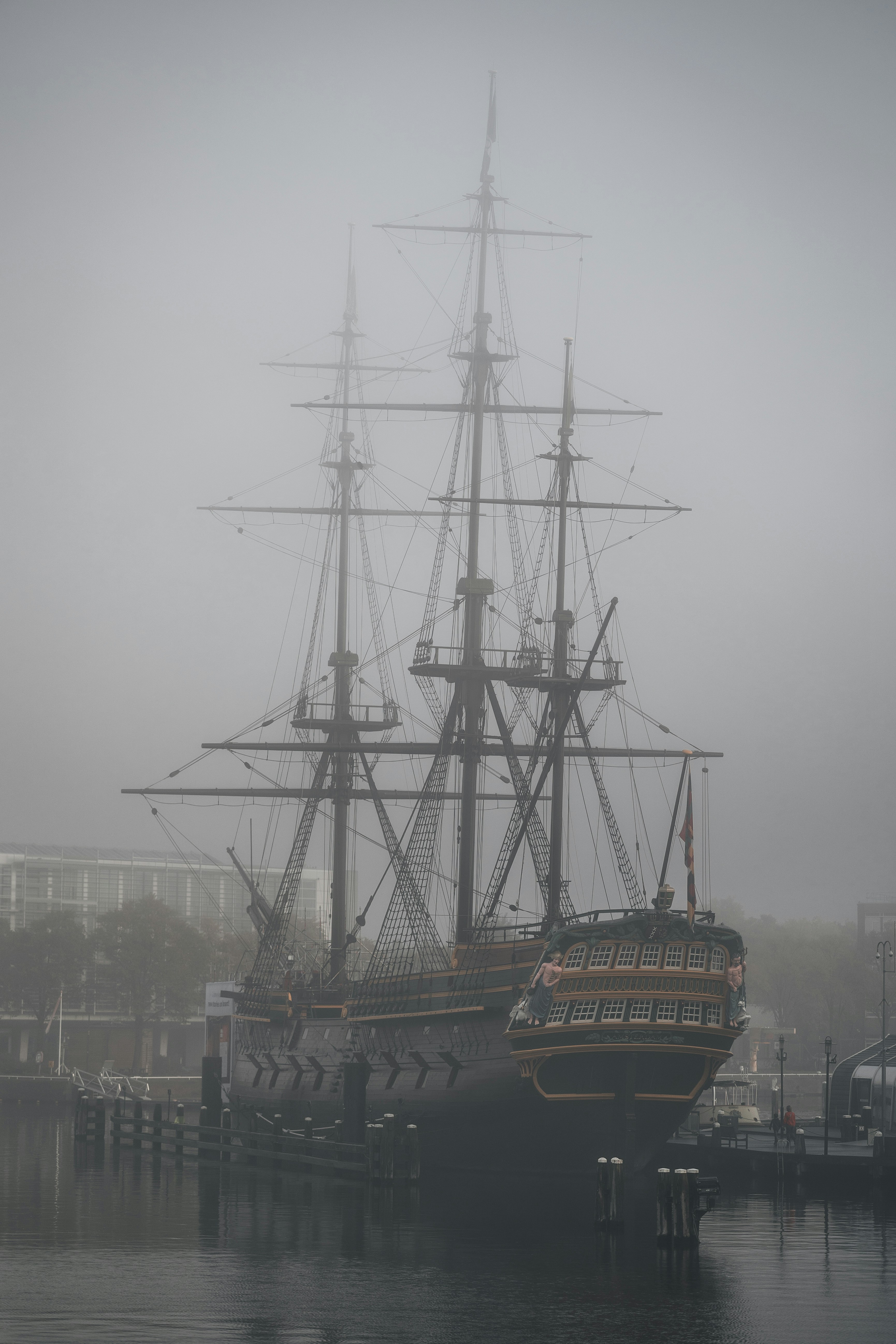
Between 1602 and 1799, the Dutch East India Company alone shipped an estimated 70 million pieces of Chinese porcelain to Europe. Add the Portuguese carreira da Índia trade from the late 16th century, the English East India Company from 1660, and the Swedish East India Company from 1731, and the figure crosses 100 million. Most of it was blue and white. Most of it was made in one place, Jingdezhen, in modern Jiangxi province, in kilns that had been firing imperial wares for the Ming court since the 14th century and turned, in the export period, to feeding a European appetite for the foreign and the symmetrical. Much of that porcelain still exists. It sits, unrecognised, in the back of the kitchen cupboard, in estate sales, and in regional auction lots labelled simply "Chinese, blue and white".
For the authenticator, blue and white is the most rewarding and the most treacherous category in Asian art. It is rewarding because the period structure is sharp. Late Ming production, roughly 1567 to 1644, includes the kraakporselein that the Portuguese carracks brought to Antwerp and Lisbon. Early Qing, the Kangxi reign of 1662 to 1722, produces the cobalt and the brushwork that connoisseurs treat as the canonical reference. Yongzheng, 1723 to 1735, refines the technique. Qianlong, 1736 to 1795, scales the output massively. Late Qing, from Daoguang through Guangxu (1875 to 1908), fills the European wholesale catalogues. Each period leaves traceable signatures in the body, the glaze, the cobalt and the brushwork. The full grammar can be learned.
It is treacherous because the reign mark on the base, in particular the Kangxi six-character mark, was already being copied within the Kangxi reign itself as a sign of respect. By the late 19th century it was being copied with the intent to deceive, and by the 20th century the copying had industrialised. A Republic-period piece (1912 to 1949) with a Kangxi mark, signed in good calligraphy and bearing genuine Jingdezhen porcelain underneath, is a difficult object to call. A Volksrepubliek-porcelain piece (post-1949) with a Kangxi mark, made for the tourist trade or the export market, is easier. Modern reproductions, often from Jingdezhen itself, are made openly and do not always carry intent to deceive. The intent appears at the moment of resale.
The single most useful object to internalise is the six-character reign mark itself: 大清[keizer]年製, read top-to-bottom in two columns of three characters each. The four fixed characters are 大 (Da, "Great"), 清 (Qing, the dynasty name), 年 (Nian, "year") and 製 (Zhi, "made"). The two variable characters in the middle are the reign name. So 大清康熙年製 means "Made in the Kangxi reign of the Great Qing", pinyin Da Qing Kangxi Nian Zhi. Yongzheng substitutes 雍正. Qianlong, 乾隆. Guangxu, 光緒. Note that this is the reign or era name, not a "dynasty name" or a personal name; the reign name is what the emperor chose for his calendar period. A piece signed only with the personal imperial name is not period and not correctly attributed. A six-character mark in modern simplified Chinese characters (the simplified script was standardised after 1956) is not earlier than the late 20th century.
The body and the glaze tell their own story. Kangxi porcelain at its peak shows a tight, fine-grained body that, where the glaze does not cover (the foot rim, the unglazed inside of a cover), is faintly orange-pink rather than pure white. This is the firing oxidation on iron in the kaolin. A perfectly white, machine-smooth foot rim under a Kangxi mark is the single fastest disqualification we see at AntiqBot. The glaze itself, examined under 10x magnification, contains tiny bubbles and pinholes, evenly distributed; a glaze that looks glassy and bubble-free under loupe is post-industrial. Cobalt blue, applied under the glaze, varies in tone across a single piece because it is hand-painted with a brush dipped in pigment slurry; uniformly saturated, vector-graphic blue is silkscreen or decal printing.
The market today is wide. A signed and archived Kangxi imperial piece, sold at Christie's or Sotheby's Hong Kong in the last decade, can clear several million euros; the upper exemplars (palace dishes, large garniture vases) cross ten million. A good Kangxi export charger, large and intact, with strong Jingdezhen body and competent brushwork, sits at Christie's, Sotheby's or Bonhams in the 8,000 to 60,000 euro band. A Qianlong-period blue-and-white plate of standard export type sells for 200 to 1,500 euros at Drouot, Bernaerts or Veilinghuis AAG, sometimes more for documented Nanking Cargo provenance, sometimes less for damage. A late 19th-century Guangxu-era piece with a Kangxi mark, common on the secondary market, trades for 100 to 800 euros. A 20th-century Volksrepubliek-porselein piece with a Kangxi mark, also common, trades for 30 to 200 euros. The price gap between a real Kangxi and an honest later copy with a Kangxi mark is the single largest authentication stake in Chinese ceramics.
In this edition, we work through the authentication in layers. We begin with the Kangxi reign mark as the specimen of the week, because it concentrates every blue-and-white diagnostic into one object. We then walk five practical red flags. We look more deeply at the trade itself, the cargo wrecks, and the difference between Jingdezhen imperial production and Jingdezhen export production. We close with the market band, the AntiqBot analysis framework, a reader question, and a short update on the iOS submission.
Item of the Week
The Six-Character Reign Mark: How to Read It, How It Lies
The mark, first. 大清[keizer]年製. Six characters in two columns of three, read top to bottom, right to left in traditional reading order. The first column carries 大 (Da, "Great") and 清 (Qing, the dynasty). The third column carries 年 (Nian, "year") and 製 (Zhi, "made"). The middle column is the variable: it is the reign name of the emperor under whose calendar the piece was signed. Kangxi 康熙. Yongzheng 雍正. Qianlong 乾隆. Guangxu 光緒. Pinyin: Da Qing Kang Xi Nian Zhi means "Made in the Kangxi reign of the Great Qing". The phrase nian zhi (made in the year) is the operative claim. The piece is offered, by its mark, as a product of the Jingdezhen kilns under that reign.
The complication starts with the character 製 itself. In some Kangxi pieces it is replaced by 造 (Zao, also "made"), a variant that the connoisseurship literature treats as period-appropriate but that throws collectors who learned only one form. In the Qianlong period the same alternation occurs. A piece marked with 造 instead of 製 is not, on that ground alone, suspect. The script style matters more than the character choice. Period Qing reign marks are written in regular script (kaishu) with controlled, even strokes; the brush is held vertically and the calligraphy is the work of a trained hand at the kiln. By the Republic period (1912 to 1949), reign mark calligraphy on copies is sometimes good and sometimes poor. The poor copies are easy to call. The good copies are the problem.
The most useful single test is the relationship between the mark and the foot rim. On a genuine Kangxi piece, the foot rim where the glaze ends is fired open and shows a faint orange-pink to amber tone from the iron oxidation of the unglazed body. The clay near the rim, where the foot stands on the kiln saggar during firing, is sometimes slightly grittier than the smooth glazed surfaces, and may show a small "kiln grit" adhesion: little dark specks fused to the body where the saggar contacted the unglazed clay. A perfectly white, machine-smooth, dust-free foot rim under a Kangxi mark is the single fastest disqualification at AntiqBot. The body in 17th-century Jingdezhen is not pure white. The body in 21st-century Jingdezhen reproduction porcelain is.
The cobalt is the second test. Period Kangxi blue-and-white at its peak uses a cobalt that has a subtle violet-purple cast in the deeper passages and a pale silvery cast in the lighter washes, with visible variation across a single brushstroke. This is hand-applied pigment with mineral impurities (iron, manganese), painted with a sized brush in a technique called the "five colours of blue", in which the painter loads more or less pigment to give tonal range across one stroke. A flat, vector-uniform blue under a Kangxi mark, the same shade and saturation everywhere, is screen-printed or decal-applied. Hand brushwork, under 10x magnification, also shows the bristle marks and the slight pooling at the end of each stroke. Decal blue does not.
Now the lie. From late Kangxi onward, Jingdezhen kilns produced pieces marked with earlier reign marks as homage. A Yongzheng-period piece with a Kangxi mark is honestly so, and the body and brushwork will match the Yongzheng standard while the mark looks back. By Guangxu (1875 to 1908), the practice is widespread and the mark is no longer a homage; it is a marketing claim. By the Republic period it is a forgery in the modern sense. The body of a Republic-period piece signed Kangxi will betray itself in the foot rim: 20th-century Jingdezhen clay is whiter, finer, and more uniform than 17th-century clay. The cobalt will betray itself in the screen quality. The mark itself, in good Republic copies, is sometimes harder to fault.
One practical note. The literature on Qing reign marks, in particular Gerald Davison's The Handbook of Marks on Chinese Ceramics (Han-Shan Tang, multiple editions) and the Christie's, Sotheby's and Bonhams catalogues from the last twenty years, gives reproducible reference photographs of period marks for every Qing reign. Comparing the mark on the piece in front of you to a documented period reference is the fastest path to a verdict. The single most useful collection in print is Bonhams' Hong Kong sale catalogues from 2010 to 2024, where each lot of import gives both the mark photograph and the period attribution by the cataloguing department, with notes where the attribution is "and of the period" (period) versus "with apocryphal mark" (later piece with earlier mark) versus "in Kangxi style" (in the manner of). Read those three formulae closely; they encode the entire authentication outcome.
Quick Check
5 Red Flags on Blue-and-White Porcelain
01
A Kangxi six-character mark on a perfectly white, machine-flat foot rim. Period Jingdezhen porcelain, fired in coal or wood kilns up to roughly 1300 °C, leaves an exposed foot rim that is faintly orange-pink to amber from iron oxidation in the kaolin body. Light kiln-grit may adhere where the saggar touched the foot. The rim is not perfectly flat; it shows soft variations from hand-trimming on the wheel. A perfectly white, dust-free, machine-flat foot rim, with no oxidation tone and no kiln contact marks, is contemporary reproduction body. This single feature disqualifies the majority of "Kangxi" pieces offered at antique fairs and online marketplaces. Check the foot rim before you check the mark.
02
Cobalt blue that is uniformly bright and saturated, without the tonal variation of hand-applied pigment. Period blue-and-white is hand-painted with a brush dipped in cobalt slurry; the painter loads more or less pigment for tonal range, a technique known in the Kangxi period as the "five colours of blue". Under 10x magnification you see bristle marks, slight pooling at the end of each stroke, and visible thinning where the pigment runs out before the next dip. A flat, vector-uniform, decal-printed blue is post-1950s industrial reproduction. The blue may also have a subtle violet-purple cast in deep passages on a real Kangxi piece (Mohammedan blue or hui-qing imported from Persia in the early Qing); a pure ultramarine without violet shift is later cobalt or synthetic.
03
A glaze without bubbles or pinholes under 10x magnification. Wood-fired and coal-fired Jingdezhen glaze contains tens of thousands of microscopic gas bubbles per square centimetre, evenly distributed, with occasional pinholes where the glaze burst during cooling. Look at the glaze of a known period piece in raking light through a 10x loupe; you see a fine constellation of bubbles. A modern gas-kiln glaze, fired more cleanly and faster, looks glassy and bubble-poor at the same magnification. Modern reproductions sometimes acid-treat the glaze to fake the soft sheen of age, but the bubble distribution does not come back.
04
A weight that feels too light, or too uniform across a set. Period Jingdezhen porcelain is hand-thrown on the wheel; thickness varies subtly across a piece and noticeably across a set of "matching" plates. A 1720s Yongzheng plate weighs slightly more or less than the next 1720s plate of the same diameter, by 5 to 15 grams. A modern reproduction set, slipcast or jigger-pressed, weighs identically across all pieces and is often noticeably lighter than the period equivalent. Heft a stack and feel for variation. Period pieces feel handmade because they are.
05
A reign mark in modern simplified Chinese characters. The simplified character set was standardised in mainland China after 1956. Any reign mark on a piece offered as Kangxi (ended 1722), Qianlong (ended 1795) or Guangxu (ended 1908) that uses simplified characters is post-1956 by definition. The classic giveaway is the character 製 (Zhi, "made"): the simplified form is 制, and a Kangxi mark written 大清康熙年制 with the simplified 制 is a modern reproduction. Period and pre-1956 marks always use the traditional 製. The character 國 (guo, "country") versus simplified 国 is another tell on Republic-period (1912 to 1949) pieces marked 中華民國 versus modern Volksrepubliek-porselein marked 中国. Learn the four traditional characters of the standard six-character mark and you cover the most common Kangxi and Qianlong tells in one pass.
Foot rim, cobalt, glaze bubbles, weight, character set. Five axes. A real period piece satisfies all five. Any failure on one is not fatal (a worn foot can be cleaned, a chipped piece can be poorly photographed). Failure on two is a structural problem. Failure on three means you are looking at a later object with a Qing face.
Did You Know
In 1986 Captain Michael Hatcher salvaged the cargo of the Geldermalsen, a Dutch East Indiaman that sank in 1752 in the South China Sea. Christie's Amsterdam sold the lot, marketed as the "Nanking Cargo", over five days in May 1986: roughly 150,000 pieces of mid-Qianlong blue-and-white plus 126 gold ingots. The auction realised £10 million and produced one of the great oddities of the Chinese ceramics market. By suddenly putting an enormous quantity of provenanced, dated, unambiguously period Qianlong export ware into circulation, Christie's drove down the unit price for that exact category. A Qianlong cup with auction provenance from 1986 still sells today for less than a single comparable piece without that backstory, because the Nanking pedigree is no longer scarce. The Vung Tau Cargo, salvaged in 1990 from a wreck dated to 1690 and sold at Christie's in 1992 (28,000 pieces of Kangxi blue-and-white), is a smaller-scale version of the same dynamic. Provenance from a documented wreck is reassurance for the authenticator and a discount for the seller. Both are correct.
Looking Deeper
Jingdezhen, the VOC and the Cargo Wrecks
The blue-and-white story is, materially, a Jingdezhen story. From the Yuan dynasty (1271 to 1368) onward, Jingdezhen in modern Jiangxi province held a near-monopoly on imperial porcelain, supplied by white kaolin clay from Gaoling Hill (the source of the English word "kaolin") and fed by surrounding forests for kiln fuel. By the late Ming, Jingdezhen was running a parallel imperial and commercial production: the imperial kilns served the court at Beijing, and the commercial kilns turned out the export ware that the Portuguese, the Dutch, and later the English bought through Canton (Guangzhou) and Macao.
The earliest Chinese export blue-and-white in volume is kraakporselein, named after the Portuguese carracks (kraken) that brought it to Europe in the late 16th and early 17th centuries. Kraak is identifiable by its panelled rim with reserves containing alternating motifs (auspicious symbols, foliage, animals), a thinner body than later production, and a slightly bluish-tinged glaze. Two famous Dutch shipwrecks defined the period: the Witte Leeuw, sunk by the Portuguese off Saint Helena in 1613 with its cargo of late-Ming kraak (excavated 1976, now partly at the Rijksmuseum), and the San Diego, a Spanish galleon sunk near Manila in 1600. After 1644, the Ming-Qing transition disrupted production for almost two decades; the Dutch turned to Japan during this gap, which is the origin of the European Imari trade we will treat in edition #12.
The Kangxi reign (1662 to 1722) restored Jingdezhen to peak technical capacity and gave the period its canonical blue-and-white style. Cobalt was now being applied with the "five colours of blue" technique, in which a single brush stroke carries multiple tones from saturated to pale. The body is fine, the glaze is hard, the brushwork is at its most confident. Late Kangxi production also includes the famille verte palette and the early famille rose, both relevant to the broader market but outside our blue-and-white scope today.
Yongzheng (1723 to 1735), under the technical direction of Tang Ying as supervisor of the imperial kilns, refined Kangxi technique without enlarging the catalogue. Yongzheng pieces are recognised by their thinner walls, more controlled cobalt application, and a particular elegance of form. Tang Ying's tenure also produced detailed kiln reports that survive and are now cited by every serious Qing porcelain authentication. Qianlong (1736 to 1795) industrialised the output. Qianlong reigning over 60 years produced more imperial blue-and-white than any preceding emperor, and the sheer volume means most Qianlong "imperial" pieces in circulation today are commercial production with imperial-quality marks. Genuine palace-quality Qianlong is rare; Qianlong commercial export is common.
Late Qing (Daoguang 1820 to 1850, Xianfeng 1850 to 1861, Tongzhi 1861 to 1875, Guangxu 1875 to 1908) saw quality decline and reign-mark copying intensify. A Guangxu-period piece with a Kangxi mark is the standard middle-market object today: real Jingdezhen porcelain, real Qing-period production, but with a borrowed mark. The Republic period (1912 to 1949), under President Yuan Shikai's brief restoration of imperial titles and the subsequent Kuomintang and warlord eras, produced both excellent connoisseur pieces (Hongxian-marked work, Shenru wares) and an enormous secondary copy market. Volksrepubliek-porselein from 1949 onward, particularly from the 1980s commercial revival, has produced industrial-quality reproductions in volume.
The cargo wrecks anchor the dating discussion in physical evidence. The Vung Tau Cargo (Christie's Amsterdam, 1992) gave us 28,000 pieces of Kangxi blue-and-white from a wreck dated to 1690-1696, with the entire range from cups to garniture vases preserved by anaerobic burial. The Nanking Cargo (Christie's Amsterdam, 1986) gave us 150,000 pieces of mid-Qianlong dated 1752 by the Geldermalsen ship's log. The Hatcher Cargo (1985) gave us late-Ming and transitional pieces. The Diana Cargo (1995, Christie's), the Tek Sing Cargo (2000, Nagel) and the Ca Mau Cargo (2007) added further chronological anchors. For the authenticator, a piece with documented cargo provenance is dated to within a year of its production. This is the gold standard of Chinese ceramics dating; everything else is an inferential claim about a body, a glaze, a cobalt and a mark.
Market & Value
What Blue-and-White is Worth, Actually
The Chinese blue-and-white secondary market is stratified sharply by reign attribution, the "and of the period" formula, and condition. Approximate bands, based on Christie's, Sotheby's, Bonhams, Drouot and Bernaerts results over the past decade, look roughly like this. A signed Kangxi imperial piece with full archive confirmation, palace provenance and the cataloguers' "and of the period" attribution, sits between several hundred thousand and many millions of euros at Christie's or Sotheby's Hong Kong. The exemplars (palace dishes, large garniture vases, well-preserved meiping forms) cross ten million for the top examples. A Kangxi-period export piece without imperial provenance, large and intact, with strong Jingdezhen body and competent brushwork, trades in the 8,000 to 60,000 euro band. A Kangxi cup or small bowl of standard quality runs 1,500 to 8,000.
Yongzheng pieces are a thinner market. The reign was short (12 years), the imperial output was small, and authentic Yongzheng-marked pieces of the period are scarce enough that auction houses examine them carefully. A Yongzheng-period blue-and-white plate with the period attribution sits in the 5,000 to 30,000 range for standard ware and considerably higher for distinctive work. Yongzheng-marked pieces "with apocryphal mark" (later production, often Republic-period, with a Yongzheng mark) trade for a fraction of the period price.
Qianlong is the volume reign. A Qianlong-period blue-and-white plate of standard export type sells for 200 to 1,500 euros at Drouot, Bernaerts or Veilinghuis AAG, sometimes more for documented Nanking Cargo provenance, sometimes less for damage. A Qianlong garniture vase with strong condition reaches 4,000 to 25,000. A Qianlong imperial piece with archive support sits in the 30,000 to 300,000 band depending on form, condition and rarity. The ubiquity of Qianlong production means buyers are price-takers for ordinary commercial output and price-makers for the rare imperial-quality pieces.
Late Qing (Daoguang to Guangxu, 1820 to 1908) is mainly a regional decorative-art market in Europe. A Guangxu-era piece with a Kangxi mark, made in Jingdezhen for the late-19th-century European wholesale trade, trades for 100 to 800 euros at Bernaerts or Drouot. The Kangxi mark, on a Guangxu body, is not fraud in the modern sense; it was the standard wholesale practice of the period. Catalogue language gives this away: "with apocryphal Kangxi mark" or "in Kangxi style" rather than "Kangxi mark and of the period". A 20th-century Republic piece with a Kangxi mark trades 200 to 1,500. A Volksrepubliek-porselein piece (post-1949) with a Kangxi mark trades 30 to 200 in the European retail antique trade and is essentially without numismatic value beyond its decorative use.
Cargo provenance pricing is its own band. Nanking Cargo plates from the 1986 sale, despite (or because of) their large surviving population, sit in a 200 to 1,500 euro band at Drouot and Bernaerts. They are documented Qianlong, dated to within a year by the ship's loss in 1752, but the volume keeps prices moderate. Vung Tau Cargo Kangxi pieces, scarcer than Nanking but also widely distributed since the 1992 Christie's sale, sit 400 to 4,000. Hatcher transitional-period pieces, Tek Sing late-Qing pieces and Ca Mau Cargo Kangxi pieces each occupy slightly different bands shaped by their respective sale volumes. For an authenticator, cargo provenance is the closest thing to certainty in this category and prices should reflect that the dating risk is removed.
The Belgian and Dutch market deserves a specific note. Pieces of comparable quality trade at Bernaerts in Antwerp and at Veilinghuis AAG in Amsterdam at a 15 to 30 percent discount to Paris and London results, because the international Asian-market bidders are fewer and the domestic base is smaller. This is consistent across the last decade. For a European collector with an eye, a Kangxi charger at Bernaerts can offer Hong Kong-quality goods at a regional price. The asymmetry closes only when the auction platform is international (Christie's or Sotheby's selling Belgian consignments) or when the piece is a top lot with a guarantee. For ordinary Qing export production, the discount holds.
One closing calibration. The online flea market, from Marktplaats and Catawiki to local vide-greniers and rommelmarkten, is awash with 20th-century Volksrepubliek-porselein bearing Kangxi or Qianlong reign marks. These are worth 30 to 200 euros at most. The path from that base to a real 4,000-euro Kangxi-period piece is narrow. Most pieces sold between 200 and 1,500 euros online as "antique Chinese blue-and-white" are in this transitional zone, where genuine late-Qing work sits next to convincing 20th-century reproduction. This is the zone where a loupe, a foot-rim inspection and a six-character mark reference save money.
Behind the Scenes
AntiqBot analyses Chinese blue-and-white porcelain across eight dimensions. Reign-mark reading: the six-character mark is examined for character set (traditional versus simplified), calligraphy style, period-appropriate variants (製 versus 造), and consistency between the calligraphy and the body. Body and foot rim: the unglazed foot rim is scored for iron-oxidation tone, kiln-grit adhesion, hand-trimmed irregularity and overall consistency with the claimed reign. Glaze inspection: bubble distribution, pinhole pattern and surface tone under 10x are weighed against period kiln conditions. Cobalt analysis: tonal variation, brushwork direction and pigment cast (violet versus pure ultramarine) are scored against period cobalt sources. Decoration grammar: motif inventory is checked against the documented period repertoire (kraak panels for late Ming, dragon-and-phoenix for Kangxi imperial, lotus-and-bat for Qianlong, and so on). Form and proportion: the silhouette is checked against period typology references including the Bonhams, Christie's and Sotheby's catalogues from the last twenty years. Wear and use: rim wear, foot abrasion and inside-base scratches are scored for consistency with the claimed age. Provenance: archive letters, cargo wreck attributions, and published literature are weighted where provided. We produce a five-tier verdict and a coherent narrative. Where photography is insufficient or a mark is ambiguous, we say so. We do not speculate beyond what the object and its documentation support.
Question of the Week
"My grandmother left me a Chinese blue-and-white vase with a six-character mark on the bottom. How do I know if it's Kangxi or modern?"
Four home tests, in order of reliability. First, the foot rim. Turn the vase upside down and look at the unglazed ring at the base. Period Kangxi shows a faint orange-pink to amber tone where the iron in the body oxidised in the kiln, and the rim itself is hand-trimmed with subtle variations rather than perfectly flat. A pure-white, machine-flat foot rim under a Kangxi mark is the fastest disqualification. Second, the cobalt. Look at the blue under daylight, then under a 10x loupe. Period brushwork shows tonal variation across each stroke, with pigment loading and unloading visible at the bristle ends. A flat, uniform, vector-printed blue is decal or screen. Third, the glaze. Hold the vase under raking light at an angle and look for the soft constellation of microscopic bubbles in the glaze. Period Jingdezhen glaze is full of them; modern gas-kiln glaze is bubble-poor and looks glassy. Fourth, the mark itself. Count the characters: there should be six, in two columns of three. Read the middle column: it should be 康熙 (Kangxi) or one of the other Qing reign names, in traditional Chinese characters. If you see the simplified character 制 (instead of traditional 製) for "made", the piece is post-1956 by definition. If you see the simplified 国 instead of 國, same conclusion. Two tests in agreement is a good signal, three is decisive. For a final verdict, send a photo set to AntiqBot, or take it to Bernaerts or Christie's for a free informal assessment.
Send your question to info@antiqbot.com
Have a piece of blue-and-white porcelain you want to authenticate? Sign up and get 1 free credit for your first analysis. After that, buy credit packs starting from €0.60 per analysis.
Get your analysis →
AntiqBot on iOS
The AntiqBot iOS app was approved by Apple this week. Final testing is wrapping up, and we expect to push the live update to the App Store in the coming days. Pricing matches the web: 5 credits for €4.99, 10 for €8.99, 25 for €17.99, 50 for €29.99, with one free credit on registration. The web application at antiqbot.com remains fully available in the meantime.
Next Week
Japanese Porcelain: Imari, Arita and the Kakiemon School
When the Ming-Qing transition disrupted Chinese kilns in the 1640s, Dutch traders turned to Japan. Out of Arita, through the port of Imari, came a porcelain tradition that Europe both copied and treasured. Next week in AntiqBot Weekly #12: how to read Imari from Chinese imitation, the Kakiemon enamel palette, and why Meissen owes its existence to a Japanese teabowl.
Next week: Japanese export porcelain, the Kakiemon palette, and the line between genuine 17th-century Arita and 19th-century European reproduction.
Het onderwerp van de week
Chinees Exportporselein: de Blauw-Witte Handel
Waarom het zes-tekens regeringsmerk de meest misbruikte marker in het veld is
Tussen 1602 en 1799 verscheepte alleen al de Verenigde Oost-Indische Compagnie naar schatting 70 miljoen stukken Chinees porselein naar Europa. Tel daar de Portugese carreira da Índia handel vanaf de late 16e eeuw, de Engelse East India Company vanaf 1660, en de Zweedse Oost-Indische Compagnie vanaf 1731 bij op, en het cijfer overstijgt 100 miljoen. Het meeste was blauw en wit. Het meeste werd gemaakt op één plek: Jingdezhen, in het huidige Jiangxi, in ovens die sinds de 14e eeuw keizerlijk porselein voor het Ming-hof bakten en die zich in de exportperiode wendden tot het voeden van een Europese honger naar het vreemde en het symmetrische. Veel van dat porselein bestaat nog. Het zit, ongeherkend, achterin de keukenkast, in nalatenschappen, en in regionale veilingkavels gelabeld als "Chinees, blauw-wit".
Voor de authenticator is blauw-wit de meest belonende en de meest verraderlijke categorie in Aziatische kunst. Belonend omdat de periode-structuur scherp is. Late Ming productie, ruwweg 1567 tot 1644, omvat het kraakporselein dat de Portugese kraken naar Antwerpen en Lissabon brachten. Vroege Qing, het Kangxi-bewind van 1662 tot 1722, produceert het kobalt en de penseelvoering die kenners als de canonieke referentie behandelen. Yongzheng (1723-1735) verfijnt de techniek. Qianlong (1736-1795) schaalt de productie massaal op. Late Qing, van Daoguang tot Guangxu (1875-1908), vult de Europese groothandelscatalogi. Elke periode laat traceerbare kenmerken na in het lichaam, het glazuur, het kobalt en de penseelvoering. De volledige grammatica is leerbaar.
Verraderlijk omdat het regeringsmerk op de bodem, in het bijzonder het Kangxi zes-tekens merk, al binnen het Kangxi-bewind zelf werd gekopieerd uit eerbetoon. Tegen het einde van de 19e eeuw werd het gekopieerd met de bedoeling te misleiden, en in de 20e eeuw industrialiseerde het kopiëren. Een Republiek-periode stuk (1912-1949) met een Kangxi-merk, gesigneerd in goede kalligrafie en met echt Jingdezhen porselein eronder, is moeilijk te beoordelen. Een Volksrepubliek-porselein stuk (post-1949) met een Kangxi-merk, gemaakt voor de toeristenhandel, is makkelijker. Moderne reproducties, vaak uit Jingdezhen zelf, worden openlijk gemaakt en dragen niet altijd misleidingsbedoeling. De bedoeling verschijnt op het moment van doorverkoop.
Het belangrijkste object om te internaliseren is het zes-tekens regeringsmerk zelf: 大清[keizer]年製, gelezen van boven naar beneden in twee kolommen van drie karakters. De vier vaste karakters zijn 大 (Da, "Groot"), 清 (Qing, de dynastienaam), 年 (Nian, "jaar") en 製 (Zhi, "gemaakt"). De twee variabele karakters in het midden vormen de regeringsnaam. 大清康熙年製 betekent "Gemaakt in de Kangxi-regering van het Grote Qing", in pinyin Da Qing Kang Xi Nian Zhi. Yongzheng vervangt door 雍正. Qianlong, 乾隆. Guangxu, 光緒. Let op: dit is de regerings- of tijdperknaam, niet een "dynastienaam" of een persoonlijke naam; de regeringsnaam is wat de keizer koos voor zijn kalenderperiode. Een stuk gesigneerd met enkel de persoonlijke keizersnaam is geen periode en niet correct toegeschreven. Een zes-tekens merk in moderne vereenvoudigde Chinese karakters (de vereenvoudigde script werd na 1956 gestandaardiseerd) is niet eerder dan de late 20e eeuw.
Het lichaam en het glazuur vertellen hun eigen verhaal. Kangxi porselein op zijn hoogtepunt toont een strak, fijnkorrelig lichaam dat, waar het glazuur niet bedekt (de voetring, de niet-geglazuurde binnenkant van een deksel), licht oranje-roze is in plaats van zuiver wit. Dit is de oxidatie tijdens het bakken op het ijzer in de kaolien. Een perfect witte, machinaal gladde voetring onder een Kangxi-merk is de snelste diskwalificatie die we bij AntiqBot zien. Het glazuur zelf, onder 10x vergroting, bevat kleine bellen en speldengaatjes, gelijkmatig verdeeld; een glazuur dat onder loupe glasachtig en bellenvrij oogt, is post-industrieel. Kobaltblauw, onder het glazuur aangebracht, varieert in toon over één enkel stuk omdat het met de hand wordt geschilderd met een penseel gedoopt in pigmentslurry; uniform verzadigd, vector-grafisch blauw is zeefdruk of decal.
De markt vandaag is breed. Een gesigneerd Kangxi keizerlijk stuk met volledige archiefbevestiging, verkocht bij Christie's of Sotheby's Hong Kong in het voorbije decennium, kan miljoenen euro's halen; de topvoorbeelden (paleisschalen, grote garnituurvazen) overschrijden tien miljoen. Een goede Kangxi exportschotel, groot en intact, met sterk Jingdezhen lichaam en bekwame penseelvoering, zit bij Christie's, Sotheby's of Bonhams in de band 8.000 tot 60.000 euro. Een Qianlong-periode blauw-wit bord van standaard exporttype verkoopt voor 200 tot 1.500 euro bij Drouot, Bernaerts of Veilinghuis AAG, soms meer voor gedocumenteerde Nanking Cargo provenance, soms minder bij beschadiging. Een laat-19e-eeuws Guangxu-tijdperk stuk met een Kangxi-merk, gangbaar op de secundaire markt, verhandelt voor 100 tot 800 euro. Een 20e-eeuws Volksrepubliek-porselein stuk met een Kangxi-merk, ook gangbaar, verhandelt voor 30 tot 200 euro. Het prijsverschil tussen een echte Kangxi en een eerlijke latere kopie met een Kangxi-merk is de grootste authenticatie-inzet in Chinese keramiek.
In deze editie gaan we de authenticatie in lagen door. We beginnen met het Kangxi regeringsmerk als item van de week, omdat dat elke blauw-wit diagnose in één object concentreert. We lopen vervolgens vijf praktische rode vlaggen langs. We kijken dieper naar de handel zelf, de scheepsladingen, en het verschil tussen Jingdezhen keizerlijke en Jingdezhen export productie. We sluiten af met de marktband, het AntiqBot analyse-kader, een lezersvraag, en een korte update over de iOS-app.
Item van de Week
Het Zes-Tekens Regeringsmerk: hoe je het leest, hoe het liegt
Eerst het merk. 大清[keizer]年製. Zes karakters in twee kolommen van drie, van boven naar beneden gelezen, van rechts naar links in traditionele leesvolgorde. De eerste kolom draagt 大 (Da, "Groot") en 清 (Qing, de dynastie). De derde kolom draagt 年 (Nian, "jaar") en 製 (Zhi, "gemaakt"). De middelste kolom is variabel: het is de regeringsnaam van de keizer onder wiens kalender het stuk werd gesigneerd. Kangxi 康熙. Yongzheng 雍正. Qianlong 乾隆. Guangxu 光緒. In pinyin: Da Qing Kang Xi Nian Zhi betekent "Gemaakt in de Kangxi-regering van het Grote Qing". De zin nian zhi (gemaakt in het jaar) is de operatieve claim. Het stuk wordt, door zijn merk, aangeboden als een product van de Jingdezhen-ovens onder die regering.
De complicatie begint met het karakter 製 zelf. In sommige Kangxi-stukken wordt het vervangen door 造 (Zao, ook "gemaakt"), een variant die de connoisseurliteratuur als periode-passend behandelt maar die verzamelaars die enkel één vorm leerden in de war brengt. In de Qianlong-periode komt dezelfde afwisseling voor. Een stuk gemerkt met 造 in plaats van 製 is op die grond alleen niet verdacht. De schriftstijl is belangrijker dan de karakterkeuze. Periode Qing-regeringsmerken zijn geschreven in regulier schrift (kaishu) met gecontroleerde, gelijkmatige streken; het penseel wordt verticaal gehouden en de kalligrafie is het werk van een geschoolde hand bij de oven. Tegen de Republiek-periode (1912-1949) is de regeringsmerk-kalligrafie op kopieën soms goed en soms slecht. De slechte kopieën zijn makkelijk. De goede kopieën zijn het probleem.
De nuttigste enkele test is de relatie tussen het merk en de voetring. Op een echt Kangxi-stuk is de voetring waar het glazuur eindigt open gebakken en toont een licht oranje-roze tot amber tint van de ijzeroxidatie van het niet-geglazuurde lichaam. De klei nabij de rand, waar de voet op de oven-saggar stond tijdens het bakken, is soms iets korreliger dan de gladde geglazuurde oppervlakken, en kan kleine "ovenkorrel"-aanhechtingen tonen: kleine donkere puntjes versmolten met het lichaam waar de saggar de niet-geglazuurde klei raakte. Een perfect witte, machinaal gladde, stofvrije voetring onder een Kangxi-merk is de snelste diskwalificatie bij AntiqBot. Het lichaam in 17e-eeuws Jingdezhen is niet zuiver wit. Het lichaam in 21e-eeuwse Jingdezhen reproductie-porselein wel.
Het kobalt is de tweede test. Periode Kangxi blauw-wit op zijn hoogtepunt gebruikt een kobalt met een subtiele violet-paarse zweem in de diepere passages en een bleke zilverachtige zweem in de lichtere wassingen, met zichtbare variatie over één enkele penseelstreek. Dit is met de hand aangebracht pigment met minerale onzuiverheden (ijzer, mangaan), geschilderd met een gesatineerd penseel in een techniek genaamd "vijf kleuren van blauw", waarbij de schilder meer of minder pigment laadt om een toonbereik over één streek te geven. Een vlak, vector-uniform blauw onder een Kangxi-merk, dezelfde tint en verzadiging overal, is zeefgedrukt of decal-aangebracht. Handmatige penseelvoering toont onder 10x vergroting ook de borstelhaarsporen en de lichte plasvorming aan het einde van elke streek. Decal-blauw doet dat niet.
Nu de leugen. Vanaf de late Kangxi produceerden Jingdezhen-ovens stukken gemerkt met eerdere regeringsmerken als eerbetoon. Een Yongzheng-periode stuk met een Kangxi-merk is eerlijk zo, en het lichaam en de penseelvoering zullen passen bij de Yongzheng-standaard terwijl het merk terugkijkt. Tegen Guangxu (1875-1908) is de praktijk wijdverspreid en is het merk geen eerbetoon meer; het is een marketingclaim. Tegen de Republiek-periode is het in moderne zin een vervalsing. Het lichaam van een Republiek-periode stuk gesigneerd Kangxi zal zichzelf verraden in de voetring: 20e-eeuwse Jingdezhen klei is witter, fijner en uniformer dan 17e-eeuwse klei. Het kobalt zal zichzelf verraden in de zeefkwaliteit. Het merk zelf, in goede Republiek-kopieën, is soms moeilijker te bekritiseren.
Een praktische opmerking. De literatuur over Qing regeringsmerken, in het bijzonder Gerald Davison's The Handbook of Marks on Chinese Ceramics (Han-Shan Tang, meerdere edities) en de Christie's, Sotheby's en Bonhams catalogi van de afgelopen twintig jaar, geeft reproduceerbare referentiefoto's van periode-merken voor elke Qing-regering. Het merk op het stuk vóór je vergelijken met een gedocumenteerde periode-referentie is de snelste weg naar een verdict. Lees in de auctioneer-catalogi de drie formules nauwkeurig: "and of the period" (periode), "with apocryphal mark" (later stuk met eerder merk) en "in Kangxi style" (in de manier van). Deze drie formules coderen het volledige authenticatie-resultaat.
Snelle Check
5 Rode Vlaggen bij Blauw-Wit Porselein
01
Een Kangxi zes-tekens merk op een perfect witte, machinaal vlakke voetring. Periode Jingdezhen porselein, gebakken in kolen- of houtovens tot ongeveer 1300 °C, laat een blootliggende voetring achter die licht oranje-roze tot amber is door ijzeroxidatie in het kaolien lichaam. Lichte ovenkorrel kan kleven waar de saggar de voet raakte. De rand is niet perfect vlak; ze toont zachte variaties van het handmatig draaien op het wiel. Een perfect witte, stofvrije, machinaal vlakke voetring, zonder oxidatie-tint en zonder ovencontact-sporen, is hedendaags reproductie-lichaam. Dit ene kenmerk diskwalificeert de meerderheid van "Kangxi"-stukken aangeboden op antiek-beurzen en online marktplaatsen. Check de voetring vóór je het merk checkt.
02
Kobaltblauw dat uniform helder en verzadigd is, zonder de toonvariatie van handmatig aangebracht pigment. Periode blauw-wit is met de hand geschilderd met een penseel gedoopt in kobaltslurry; de schilder laadt meer of minder pigment voor toonbereik, een techniek bekend in de Kangxi-periode als de "vijf kleuren van blauw". Onder 10x vergroting zie je borstelhaarsporen, lichte plasvorming aan het einde van elke streek, en zichtbaar verdunnen waar het pigment opraakt vóór de volgende doop. Een vlak, vector-uniform, decal-gedrukt blauw is post-1950 industriële reproductie. Het blauw kan op een echte Kangxi ook een subtiele violet-paarse zweem hebben in diepe passages (Mohammedan blue of hui-qing geïmporteerd uit Perzië in de vroege Qing); een zuivere ultramarijn zonder paarse verschuiving is later kobalt of synthetisch.
03
Een glazuur zonder bellen of speldengaatjes onder 10x vergroting. Hout- en kolengestookte Jingdezhen-glazuur bevat tientallen duizenden microscopische gasbellen per vierkante centimeter, gelijkmatig verdeeld, met af en toe speldengaatjes waar het glazuur barstte tijdens het afkoelen. Kijk naar het glazuur van een bekend periode-stuk in strijklicht door een 10x loupe; je ziet een fijne constellatie van bellen. Een modern gas-oven glazuur, schoner en sneller gebakken, oogt glasachtig en bellenarm bij dezelfde vergroting. Moderne reproducties behandelen het glazuur soms met zuur om de zachte glans van ouderdom na te bootsen, maar de bellenverdeling komt niet terug.
04
Een gewicht dat te licht aanvoelt, of te uniform is over een set. Periode Jingdezhen porselein is met de hand gedraaid op het wiel; dikte varieert subtiel over een stuk en merkbaar over een set "passende" borden. Een 1720s Yongzheng bord weegt iets meer of minder dan het volgende 1720s bord van dezelfde diameter, met 5 tot 15 gram. Een moderne reproductie-set, slipgegoten of jiggergeperst, weegt identiek over alle stukken en is vaak merkbaar lichter dan het periode-equivalent. Til een stapel op en voel naar variatie. Periode-stukken voelen handgemaakt aan omdat ze het zijn.
05
Een regeringsmerk in moderne vereenvoudigde Chinese karakters. De vereenvoudigde karakterset werd in vasteland China gestandaardiseerd na 1956. Elk regeringsmerk op een stuk aangeboden als Kangxi (eindigde 1722), Qianlong (eindigde 1795) of Guangxu (eindigde 1908) dat vereenvoudigde karakters gebruikt, is per definitie post-1956. De klassieke verraadtruc is het karakter 製 (Zhi, "gemaakt"): de vereenvoudigde vorm is 制, en een Kangxi-merk geschreven 大清康熙年制 met de vereenvoudigde 制 is een moderne reproductie. Periode en pre-1956 merken gebruiken altijd de traditionele 製. Het karakter 國 (guo, "land") versus vereenvoudigd 国 is een andere verraadtruc op Republiek-periode (1912-1949) stukken gemerkt 中華民國 versus moderne Volksrepubliek-porselein gemerkt 中国. Leer de vier traditionele karakters van het standaard zes-tekens merk en je dekt de meest gangbare Kangxi en Qianlong verraadtrucs in één pas.
Voetring, kobalt, glazuurbellen, gewicht, karakterset. Vijf assen. Een echt periode-stuk voldoet aan alle vijf. Eén falen is niet fataal (een versleten voet kan zijn schoongemaakt, een beschadigd stuk kan slecht gefotografeerd zijn). Falen op twee is een structureel probleem. Falen op drie betekent dat je naar een later object met een Qing-gezicht kijkt.
Wist je dat
In 1986 borg kapitein Michael Hatcher de lading van de Geldermalsen, een VOC-schip dat in 1752 in de Zuid-Chinese Zee zonk. Christie's Amsterdam veilde de partij over vijf dagen in mei 1986 onder de naam "Nanking Cargo": ongeveer 150.000 stuks blauw-wit uit het midden van de Qianlong-periode, plus 126 goudbaren. De veiling bracht 10 miljoen pond op en produceerde een van de grote eigenaardigheden van de Chinese keramiekmarkt. Door plotseling een enorme hoeveelheid geprovenanceerd, gedateerd, ondubbelzinnig periode Qianlong-export-porselein in omloop te brengen, dreef Christie's de eenheidsprijs voor exact die categorie omlaag. Een Qianlong-kop met veilingherkomst uit 1986 verkoopt vandaag nog steeds minder dan een vergelijkbaar stuk zonder die voorgeschiedenis, omdat de Nanking-stamboom niet meer schaars is. De Vung Tau Cargo, geborgen in 1990 uit een wrak gedateerd 1690 en geveild bij Christie's in 1992 (28.000 stuks Kangxi blauw-wit), is een kleinere versie van dezelfde dynamiek. Provenance van een gedocumenteerd wrak is geruststelling voor de authenticator en een korting voor de verkoper. Beide kloppen.
Dieper kijken
Jingdezhen, de VOC en de scheepsladingen
Het blauw-wit verhaal is, materieel, een Jingdezhen verhaal. Vanaf de Yuan-dynastie (1271-1368) had Jingdezhen in het huidige Jiangxi een quasi-monopolie op keizerlijk porselein, gevoed door witte kaolien-klei van Gaoling-heuvel (de bron van het Engelse woord "kaolin") en door omliggende bossen voor ovenbrandstof. Tegen de late Ming draaide Jingdezhen een parallelle keizerlijke en commerciële productie: de keizerlijke ovens bedienden het hof in Beijing, en de commerciële ovens leverden het exportporselein dat de Portugezen, de Nederlanders, en later de Engelsen via Kanton (Guangzhou) en Macao kochten.
Het vroegste Chinese export blauw-wit in volume is kraakporselein, genoemd naar de Portugese kraken die het in de late 16e en vroege 17e eeuw naar Europa brachten. Kraak is herkenbaar aan de paneelrand met reserves met afwisselende motieven (gunstige symbolen, gebladerte, dieren), een dunner lichaam dan latere productie, en een licht blauwig getint glazuur. Twee beroemde Nederlandse scheepswrakken definieerden de periode: de Witte Leeuw, gezonken door de Portugezen voor Sint-Helena in 1613 met zijn lading laat-Ming kraak (opgegraven 1976, nu deels in het Rijksmuseum), en de San Diego, een Spaans galjoen dat in 1600 nabij Manila zonk. Na 1644 verstoorde de Ming-Qing overgang de productie bijna twee decennia lang; de Nederlanders wendden zich in deze leemte tot Japan, wat de oorsprong is van de Europese Imari-handel die we in editie #12 behandelen.
De Kangxi-regering (1662-1722) herstelde Jingdezhen tot piek-technische capaciteit en gaf de periode haar canonieke blauw-wit stijl. Kobalt werd nu aangebracht met de "vijf kleuren van blauw" techniek, waarbij één penseelstreek meerdere tonen draagt van verzadigd tot bleek. Het lichaam is fijn, het glazuur is hard, de penseelvoering is op zijn meest vertrouwde. Late Kangxi productie omvat ook het famille verte palet en het vroege famille rose, beide relevant voor de bredere markt maar buiten ons blauw-wit bereik vandaag.
Yongzheng (1723-1735), onder de technische leiding van Tang Ying als toezichthouder van de keizerlijke ovens, verfijnde de Kangxi-techniek zonder de catalogus uit te breiden. Yongzheng-stukken zijn herkenbaar aan hun dunnere wanden, gecontroleerdere kobalt-aanbrenging, en een bijzondere elegantie van vorm. Tang Ying's ambtsperiode produceerde ook gedetailleerde ovenrapporten die bewaard bleven en vandaag in elke serieuze Qing-porselein authenticatie worden geciteerd. Qianlong (1736-1795) industrialiseerde de productie. Qianlong, die 60 jaar regeerde, produceerde meer keizerlijk blauw-wit dan enige voorganger, en de pure volume betekent dat de meeste Qianlong "keizerlijke" stukken in omloop vandaag commerciële productie zijn met keizerlijke kwaliteitsmerken. Echte paleis-kwaliteit Qianlong is zeldzaam; Qianlong commerciële export is gangbaar.
Late Qing (Daoguang 1820-1850, Xianfeng 1850-1861, Tongzhi 1861-1875, Guangxu 1875-1908) zag kwaliteitsdaling en het kopiëren van regeringsmerken intensiveren. Een Guangxu-periode stuk met een Kangxi-merk is het standaard middenmarktobject vandaag: echt Jingdezhen porselein, echte Qing-periode productie, maar met een geleend merk. De Republiek-periode (1912-1949), onder president Yuan Shikai's korte herstel van keizerlijke titels en de daaropvolgende Kuomintang en warlord-tijdperken, produceerde zowel uitstekende kennerstukken (Hongxian-gemerkt werk, Shenru-waren) als een enorme secundaire kopiemarkt. Volksrepubliek-porselein vanaf 1949, in het bijzonder uit de commerciële heropleving van de jaren 1980, heeft industriële-kwaliteit reproducties in volume geproduceerd.
De scheepsladingen verankeren de dateringsdiscussie in fysiek bewijs. De Vung Tau Cargo (Christie's Amsterdam, 1992) gaf ons 28.000 stuks Kangxi blauw-wit uit een wrak gedateerd 1690-1696, met het hele bereik van koppen tot garnituurvazen bewaard door anaerobe begraving. De Nanking Cargo (Christie's Amsterdam, 1986) gaf ons 150.000 stuks midden-Qianlong gedateerd 1752 door de scheepslog van de Geldermalsen. De Hatcher Cargo (1985) gaf ons laat-Ming en overgangsperiode stukken. De Diana Cargo (1995, Christie's), de Tek Sing Cargo (2000, Nagel) en de Ca Mau Cargo (2007) voegden verdere chronologische ankers toe. Voor de authenticator is een stuk met gedocumenteerde scheepsherkomst gedateerd binnen één jaar van zijn productie. Dit is de gouden standaard van Chinese keramiek-datering; al het overige is een inferentiële claim over een lichaam, een glazuur, een kobalt en een merk.
Markt & Waarde
Wat blauw-wit werkelijk waard is
De Chinese blauw-wit secundaire markt is scherp gelaagd naar regerings-toeschrijving, de "and of the period" formule, en toestand. Benaderende banden, gebaseerd op resultaten bij Christie's, Sotheby's, Bonhams, Drouot en Bernaerts over het voorbije decennium, zien er ruwweg als volgt uit. Een gesigneerd Kangxi keizerlijk stuk met volledige archiefbevestiging, paleis-provenance en de "and of the period" toeschrijving van de cataloog-redactie, zit tussen enkele honderdduizenden en miljoenen euro's bij Christie's of Sotheby's Hong Kong. De topexemplaren (paleisschalen, grote garnituurvazen, goed bewaarde meiping-vormen) overschrijden tien miljoen voor de allerbeste stukken. Een Kangxi-periode exportstuk zonder keizerlijke provenance, groot en intact, met sterk Jingdezhen lichaam en bekwame penseelvoering, zit in de band 8.000 tot 60.000 euro. Een Kangxi kop of kleine kom van standaardkwaliteit loopt 1.500 tot 8.000.
Yongzheng-stukken zijn een dunnere markt. De regering was kort (12 jaar), de keizerlijke output was klein, en authentieke Yongzheng-gemerkte periode-stukken zijn zeldzaam genoeg dat veilinghuizen ze zorgvuldig onderzoeken. Een Yongzheng-periode blauw-wit bord met de periode-toeschrijving zit in de band 5.000 tot 30.000 voor standaardgoed en aanzienlijk hoger voor onderscheidend werk. Yongzheng-gemerkte stukken "with apocryphal mark" (latere productie, vaak Republiek-periode, met een Yongzheng-merk) verhandelen voor een fractie van de periode-prijs.
Qianlong is de volume-regering. Een Qianlong-periode blauw-wit bord van standaard exporttype verkoopt voor 200 tot 1.500 euro bij Drouot, Bernaerts of Veilinghuis AAG, soms meer voor gedocumenteerde Nanking Cargo provenance, soms minder bij beschadiging. Een Qianlong garnituurvaas met sterke toestand bereikt 4.000 tot 25.000. Een Qianlong keizerlijk stuk met archiefondersteuning zit in de band 30.000 tot 300.000 afhankelijk van vorm, toestand en zeldzaamheid. De alomtegenwoordigheid van Qianlong-productie betekent dat kopers prijsnemers zijn voor gewone commerciële output en prijsmakers voor de zeldzame keizerlijke-kwaliteit stukken.
Late Qing (Daoguang tot Guangxu, 1820-1908) is in Europa hoofdzakelijk een regionale decoratieve-kunst markt. Een Guangxu-tijdperk stuk met een Kangxi-merk, gemaakt in Jingdezhen voor de laat-19e-eeuwse Europese groothandel, verhandelt voor 100 tot 800 euro bij Bernaerts of Drouot. Het Kangxi-merk, op een Guangxu-lichaam, is geen fraude in de moderne zin; het was de standaard groothandelspraktijk van de periode. Cataloog-taal verraadt dit: "with apocryphal Kangxi mark" of "in Kangxi style" in plaats van "Kangxi mark and of the period". Een 20e-eeuws Republiek-stuk met een Kangxi-merk verhandelt voor 200 tot 1.500. Een Volksrepubliek-porselein stuk (post-1949) met een Kangxi-merk verhandelt voor 30 tot 200 in de Europese antiekhandel en is in essentie zonder verzamelwaarde voorbij zijn decoratieve gebruik.
Cargo-provenance prijzen vormen een eigen band. Nanking Cargo borden van de 1986-veiling, ondanks (of dankzij) hun grote overlevende populatie, zitten in een band van 200 tot 1.500 euro bij Drouot en Bernaerts. Ze zijn gedocumenteerd Qianlong, gedateerd binnen één jaar door het scheepsverlies in 1752, maar het volume houdt prijzen gematigd. Vung Tau Cargo Kangxi-stukken, schaarser dan Nanking maar ook breed verdeeld sinds de 1992-Christie's veiling, zitten 400 tot 4.000. Hatcher overgangs-periode stukken, Tek Sing late-Qing stukken en Ca Mau Cargo Kangxi-stukken bezetten elk iets verschillende banden gevormd door hun respectieve verkoopvolumes. Voor een authenticator is cargo-provenance het dichtste bij zekerheid in deze categorie en prijzen zouden moeten weerspiegelen dat het dateringsrisico is verwijderd.
De Belgische en Nederlandse markt verdient een specifieke noot. Stukken van vergelijkbare kwaliteit verhandelen bij Bernaerts in Antwerpen en Veilinghuis AAG in Amsterdam met een korting van 15 tot 30 procent op Parijse en Londense resultaten, omdat de internationale Aziatische-markt bieders minder talrijk zijn en de binnenlandse basis kleiner. Dit is consistent over het voorbije decennium. Voor een Europese verzamelaar met een oog kan een Kangxi-schotel bij Bernaerts Hong Kong-kwaliteit goederen bieden aan een regionale prijs. De asymmetrie sluit enkel wanneer het veilingplatform internationaal is (Christie's of Sotheby's die Belgische consignaties verkopen) of wanneer het stuk een toplot is met een garantie. Voor gewone Qing-export productie houdt de korting stand.
Een slotcalibratie. De online rommelmarkt, van Marktplaats en Catawiki tot lokale vide-greniers en rommelmarkten, is overspoeld met 20e-eeuws Volksrepubliek-porselein met Kangxi- of Qianlong-regeringsmerken. Deze zijn maximaal 30 tot 200 euro waard. Het pad van die basis naar een echt Kangxi-periode stuk van 4.000 euro is smal. Het merendeel van wat online tussen 200 en 1.500 euro als "antiek Chinees blauw-wit" verkocht wordt, zit in deze overgangszone, waar echt laat-Qing werk naast overtuigende 20e-eeuwse reproductie staat. Dit is de zone waar een loupe, een voetring-inspectie en een zes-tekens merk-referentie geld besparen.
Achter de schermen
AntiqBot analyseert Chinees blauw-wit porselein over acht dimensies. Regeringsmerk-lezing: het zes-tekens merk wordt onderzocht op karakterset (traditioneel versus vereenvoudigd), kalligrafiestijl, periode-gepaste varianten (製 versus 造), en consistentie tussen kalligrafie en lichaam. Lichaam en voetring: de niet-geglazuurde voetring wordt gescoord op ijzeroxidatie-tint, ovenkorrel-aanhechting, handmatig-getrimde onregelmatigheid en algemene consistentie met de geclaimde regering. Glazuur-inspectie: bellenverdeling, speldengaatjes-patroon en oppervlaktetint onder 10x worden gewogen tegen periode-ovenomstandigheden. Kobalt-analyse: toonvariatie, penseelvoeringsrichting en pigment-zweem (violet versus zuiver ultramarijn) worden gescoord tegen periode-kobalt bronnen. Decoratie-grammatica: motief-inventaris wordt gecheckt tegen het gedocumenteerde periode-repertoire. Vorm en verhouding: het silhouet wordt gecheckt tegen periode-typologie referenties inclusief de Bonhams-, Christie's- en Sotheby's-catalogi van de afgelopen twintig jaar. Slijtage en gebruik: rand-slijtage, voet-schuring en binnenkant-krassen worden gescoord op consistentie met de geclaimde leeftijd. Provenance: archiefbrieven, scheepslading-toeschrijvingen en gepubliceerde literatuur worden gewogen waar aangeboden. We leveren een vijf-tier verdict en een coherent verhaal. Waar de fotografie onvoldoende is of een merk dubbelzinnig, zeggen we dat. We speculeren niet voorbij wat het object en zijn documentatie ondersteunen.
Vraag van de Week
"Mijn grootmoeder liet mij een Chinese blauw-witte vaas na met een zes-tekens merk op de bodem. Hoe weet ik of het Kangxi is of modern?"
Vier thuistests, in volgorde van betrouwbaarheid. Ten eerste, de voetring. Draai de vaas om en kijk naar de niet-geglazuurde ring aan de basis. Periode Kangxi toont een licht oranje-roze tot amber tint waar het ijzer in het lichaam oxideerde in de oven, en de rand zelf is met de hand getrimd met subtiele variaties in plaats van perfect vlak. Een zuiver-witte, machinaal-vlakke voetring onder een Kangxi-merk is de snelste diskwalificatie. Ten tweede, het kobalt. Kijk naar het blauw bij daglicht, daarna onder een 10x loupe. Periode-penseelvoering toont toonvariatie over elke streek, met pigment-laden en -lossen zichtbaar aan de borstelhaarsuiteinden. Een vlak, uniform, vector-gedrukt blauw is decal of zeefdruk. Ten derde, het glazuur. Houd de vaas onder strijklicht in een hoek en kijk naar de zachte constellatie van microscopische bellen in het glazuur. Periode Jingdezhen-glazuur zit er vol van; modern gas-oven glazuur is bellenarm en oogt glasachtig. Ten vierde, het merk zelf. Tel de karakters: er moeten zes zijn, in twee kolommen van drie. Lees de middelste kolom: ze moet 康熙 (Kangxi) of een van de andere Qing-regeringsnamen zijn, in traditionele Chinese karakters. Zie je het vereenvoudigde karakter 制 (in plaats van traditioneel 製) voor "gemaakt", dan is het stuk per definitie post-1956. Zie je vereenvoudigd 国 in plaats van 國, zelfde conclusie. Twee tests in overeenstemming is een goed signaal, drie is beslissend. Voor een definitief verdict, stuur een fotoset naar AntiqBot, of breng het naar Bernaerts of Christie's voor een gratis informele beoordeling.
Stuur je vraag naar info@antiqbot.com
Heb je een blauw-wit porseleinen stuk dat je wilt laten authenticeren? Maak gratis een account aan en doe je eerste analyse zonder kosten. Daarna koop je credits per pakket, vanaf €0,60 per analyse.
Krijg je analyse →
AntiqBot op iOS
De AntiqBot iOS app is deze week goedgekeurd door Apple. De laatste tests worden afgerond en we verwachten de live update naar de App Store in de komende dagen door te zetten. De prijzen zijn gelijk aan het web: 5 credits voor €4,99, 10 voor €8,99, 25 voor €17,99, 50 voor €29,99, met één gratis credit bij registratie. De webapplicatie op antiqbot.com blijft ondertussen volledig beschikbaar.
Volgende week
Japans Porselein: Imari, Arita en de Kakiemon-school
Toen de Ming-Qing-overgang de Chinese ovens in de jaren 1640 verstoorde, wendden Nederlandse handelaren zich tot Japan. Uit Arita, via de haven van Imari, kwam een porseleintraditie die Europa zowel kopieerde als koesterde. Volgende week in AntiqBot Weekly #12: hoe je Imari van Chinese imitatie onderscheidt, het Kakiemon emaille-palet, en waarom Meissen zijn bestaan dankt aan een Japans theekommetje.
Volgende week: Japans exportporselein, het Kakiemon-palet, en de lijn tussen echt 17e-eeuws Arita en 19e-eeuwse Europese reproductie.